Why Dress Codes Exist: Beyond Arbitrary Rules Before diving into specific definitions, it's worth understanding the fundamental purpose behind dress codes: The Practical Functions Despite occasional frustration, dress codes serve several practical purposes: Setting Expectations : Helping guests feel appropriately dressed for the environment Creating Atmosphere : Contributing to the event's intended mood or formality level Showing Respect : Demonstrating consideration for hosts, cultures, or institutions Practical Guidance : Preventing genuine discomfort from inappropriate attire (e.g., high heels at a beach wedding) The Evolution Factor Modern dress codes continue to evolve with changing social norms: Regional Variations : Significant differences exist between geographic locations Industry Influence : Professional fields maintain varying standards of formality Generational Shifts : Younger generations often interpret traditional codes more flexibly Cultural Factors : Diverse backgrounds contribute different perspectives on appropriateness Traditional Formal Dress Codes: The Classics Decoded These established formal codes have the most specific definitions and expectations: White Tie: Ultimate Formality The most formal dress code, typically reserved for state dinners, elite galas, and extremely formal weddings

Buy Scarlet Darkness Floral Mini Corset Dress for Women Teen 2026 Summer Spring Flowy A-Line Sundress with Pockets Beige Red Floral S and other Casual at Amazon.com
The incorporation of CeO 2 and PM oil into the mats was enabled by the surface charge properties of these components, resulting in a sustained antibacterial effect
The combination of classic wingtip styling and vibrant purple croco print leather creates a distinctive look that draws attention while maintaining a polished appearance
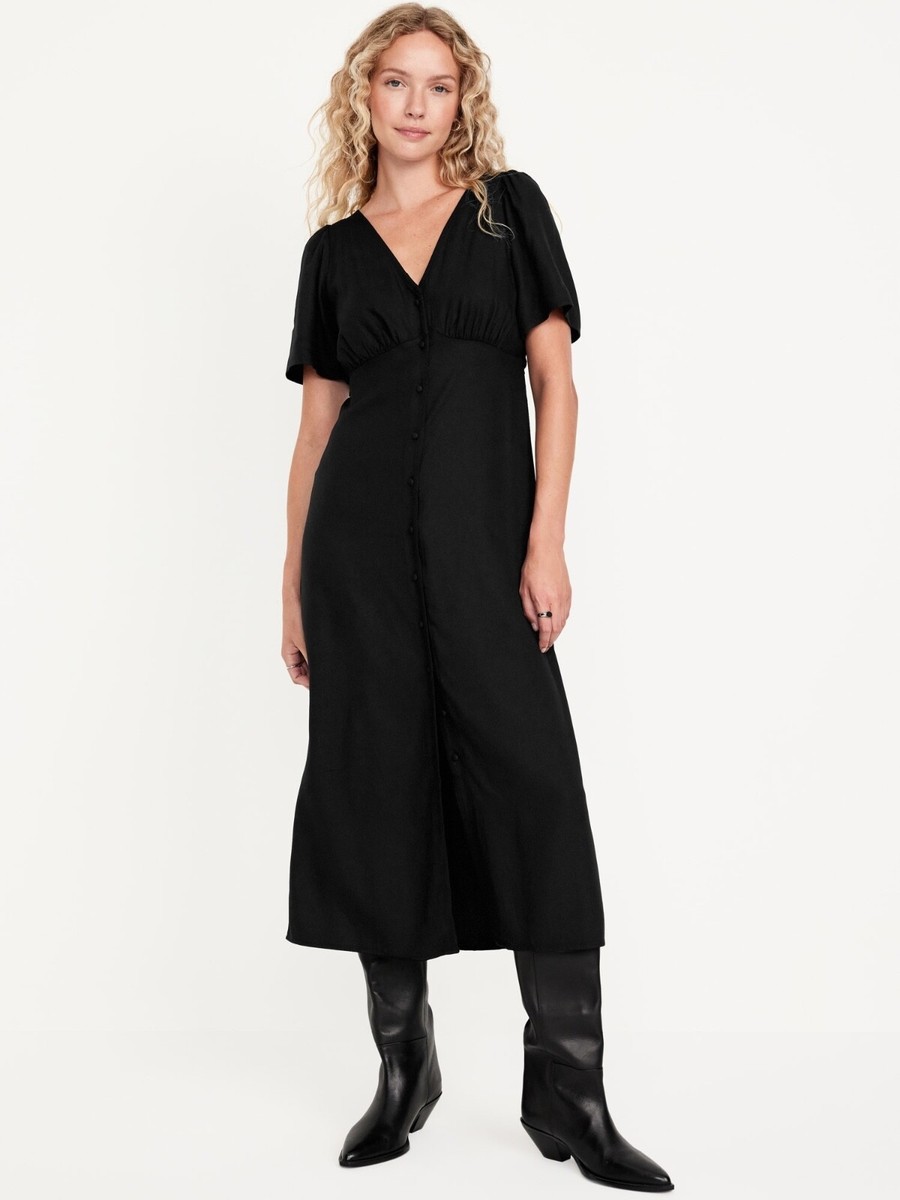
For this outfit I obviously opted to pair it with just some simple, heeled black boots since it was 50 degrees that day