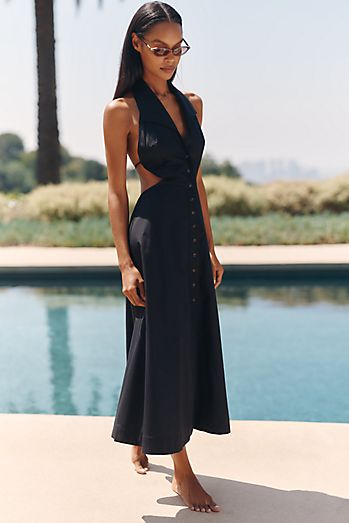
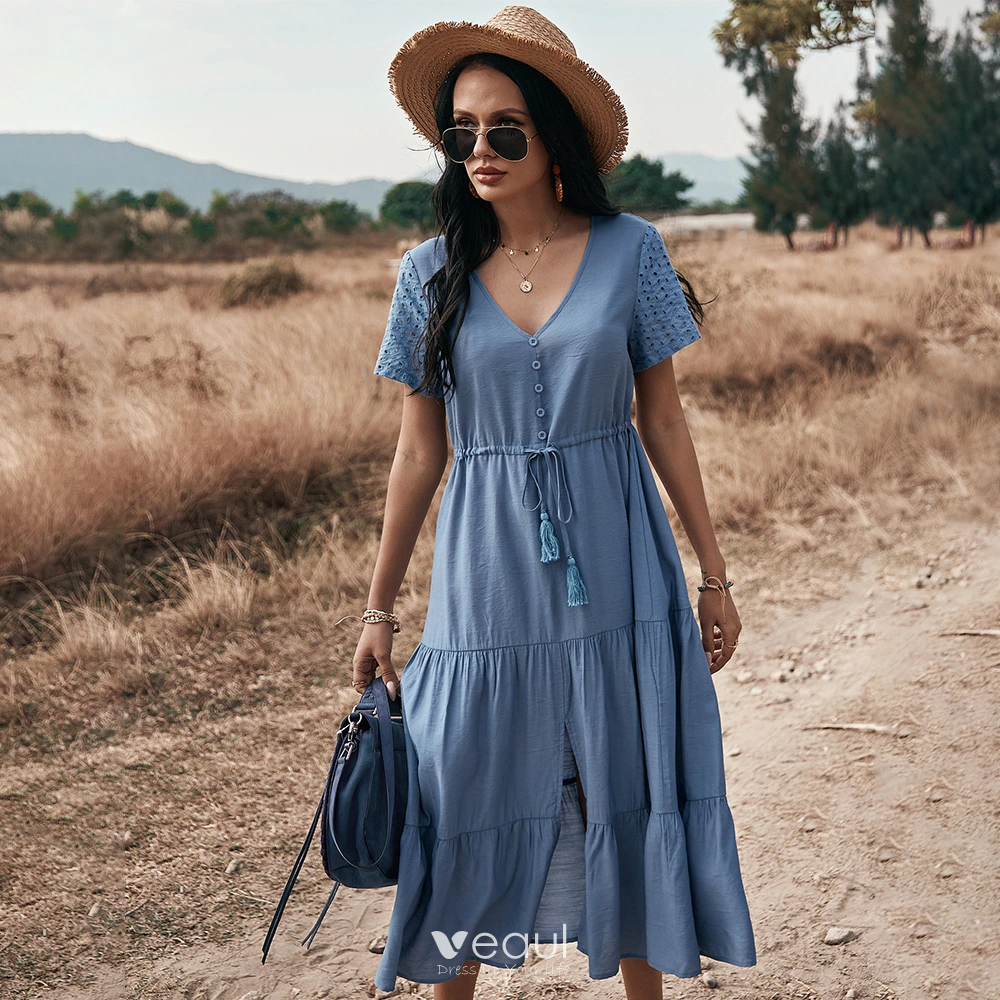
Frocks and gowns that are tight on the waist and flowy from the bottom are among the types of dresses that make you look thinner
With one of the latest and largest fleet of trucks, Ashley Furniture is able to deliver across country in just days
Advertisement - Continue Reading Below 9 Gemma Chan Getty Images August 2016 Red dresses don't have to be sexy and sultry
Creating definition on the relaxed body, the waist is fitted with elastic and a mock-button front for a more fitted silhouette before the skirt falls fluidly to just above your ankles.

Common materials include: Silk and satin for their lustrous finish and elegant drape Chiffon for flowing, romantic movement Velvet for rich texture and wintertime sophistication Taffeta for structured, voluminous silhouettes Sequined and beaded fabrics for added glamour and sparkle Design Elements Formal dresses often feature intricate details that elevate their sophistication: Elaborate embellishments like beading, sequins, or embroidery Structured bodices with boning or corsetry Dramatic trains or flowing skirts Elegant necklines such as sweetheart, halter, or high neck designs Statement backs with illusion panels, keyhole cutouts, or dramatic open backs When to Wear Formal Dresses Formal attire is appropriate for: Black-tie weddings and galas Military balls and formal ceremonies Opera and theater opening nights Charity fundraisers and high-profile events Prom and formal school dances Award ceremonies and formal banquets Decoding Semi-Formal Dress Codes Semi-formal attire strikes a balance between casual elegance and formal sophistication