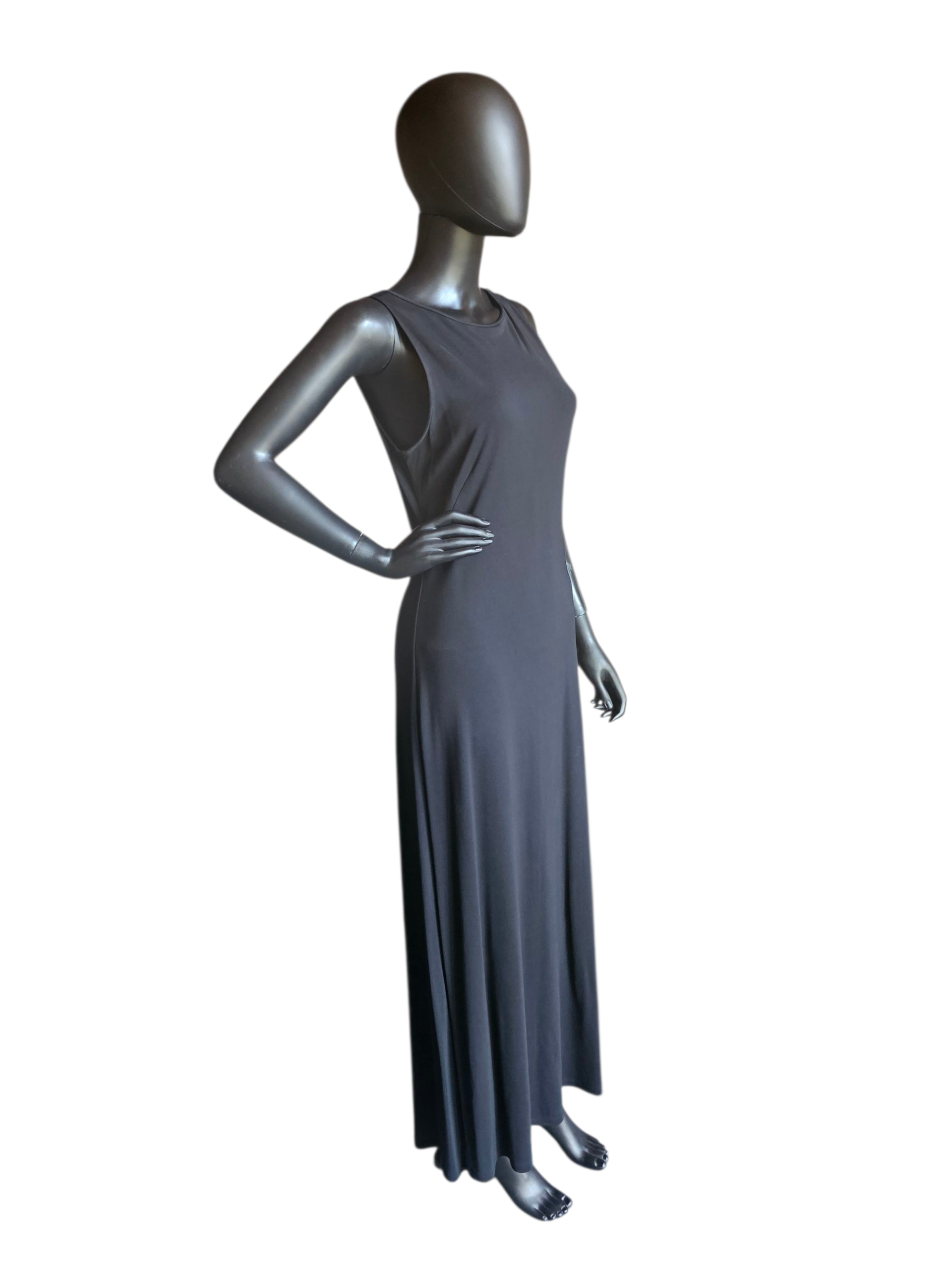
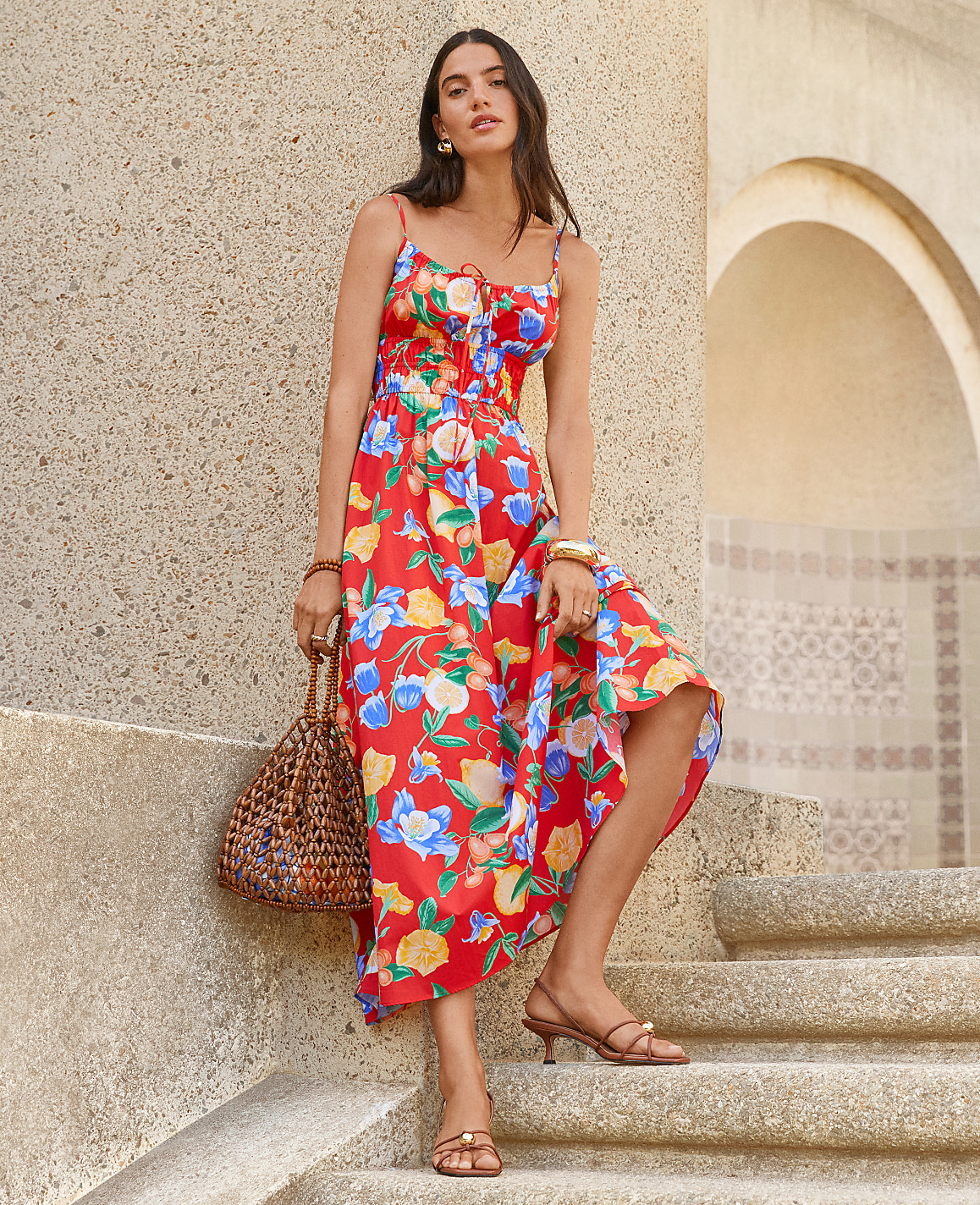
Key Characteristics of Semi-Formal Dresses Length Flexibility Unlike formal dresses that must reach the floor, semi-formal dresses offer versatility in length: Knee-length dresses that show sophistication without excessive formality Tea-length dresses (mid-calf) that offer vintage-inspired elegance Midi-length options that fall between the knee and ankle Cocktail-length dresses that typically hit just above or at the knee Fabric and Texture Semi-formal dresses can incorporate a wider range of fabrics, including: Lace for romantic, feminine appeal Crepe for modern, structured looks Jersey knits for comfortable yet polished styles Lightweight chiffon for flowing movement Satin and silk blends for subtle luxury Design Versatility Semi-formal dresses showcase diverse design elements: Simpler embellishments compared to formal gowns Flattering A-line, sheath, or fit-and-flare silhouettes Playful prints and patterns alongside solid colors Mix of sleeve options from sleeveless to long sleeves Contemporary details like asymmetrical hems or cutouts When to Wear Semi-Formal Dresses Semi-formal attire works perfectly for: Daytime or evening weddings with semi-formal specifications Cocktail parties and networking events Garden parties and outdoor celebrations Holiday parties and seasonal gatherings Graduation ceremonies and celebrations Restaurant celebrations and date nights Side-by-Side Comparison: Formal vs
For this reason, I reserve it for neutral recipes where its flavor will shine or recipes where many of the ingredients are savory & equally intense in flavor
The pattern includes an elastic waistband option, but you can also sew it without elastic for a different look
As backyard weddings could mean uneven grass, opt for block heels, loafers and sandals with sturdy soles
Like Cilantro Mint Chutney and Cilantro Chimichurri, it is so fresh and full of flavors